
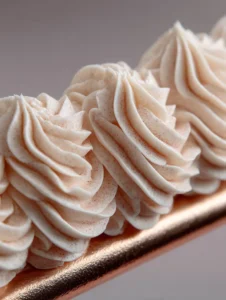

If there’s one frosting that never fails to impress, it’s a perfectly made cream cheese buttercream. Smooth, creamy, slightly tangy, and just sweet enough, this frosting strikes that perfect balance that many desserts need. It’s not overly sugary like some traditional frostings, and it has a rich, velvety texture that spreads and pipes beautifully. Whether you’re frosting a carrot cake, swirling it onto cupcakes, or using it as a filling between cake layers, this recipe delivers bakery-quality results every time.
What makes this version truly stand out is its stability and versatility. Many cream cheese frostings can turn too soft or runny, especially in warmer environments. But with the right balance of butter, powdered sugar, and cold cream cheese, this recipe creates a frosting that holds its shape well while still tasting incredibly light and creamy. The addition of fresh lemon juice brightens the flavor just enough to cut through the richness, giving it that irresistible, slightly tangy finish.
This is the kind of frosting that becomes your go-to. Once you try it, you’ll want to use it on everything—from classic carrot cakes to chocolate cupcakes and even cookies. It’s simple, quick, and absolutely delicious.
table of contents
Full Recipe
Ingredients
- 1 cup (225g) unsalted butter, room temperature
- 4½ cups (570g) powdered sugar (confectioners’ sugar)
- 1½ cups (335g) cream cheese, cold and firm
- 1½ teaspoons vanilla extract
- 1½ tablespoons fresh lemon juice
Instructions
Step 1: Cream the Butter
In a large mixing bowl, add the softened butter. Using a hand mixer or stand mixer fitted with a paddle attachment, beat the butter on medium-high speed for a few minutes until it becomes light, fluffy, and pale in color. This step is essential because it creates the base texture of your frosting.
Step 2: Add Powdered Sugar Gradually
Add the powdered sugar in three batches, mixing on low speed between each addition. Make sure each portion is fully incorporated before adding the next. This helps prevent a grainy texture and keeps the frosting smooth.
Step 3: Add Cream Cheese and Flavorings
Add the cold cream cheese, vanilla extract, and fresh lemon juice. Mix on medium speed just until everything is smooth and fully combined. Be careful not to overmix at this stage, as it can cause the frosting to become too soft.
Step 4: Check Consistency
Once smooth, check the consistency. If you want a thicker frosting for piping, add a little more powdered sugar, a couple of tablespoons at a time. If it feels too soft, refrigerate for 20–30 minutes and rewhip before using.
Tips & Tricks
The most important tip for this frosting is using cold, firm cream cheese. This may seem unusual since butter is softened, but the cold cream cheese helps stabilize the frosting and prevents it from becoming overly soft. Avoid spreadable cream cheese from tubs, as it contains more moisture and can make the frosting runny.
Another key tip is to avoid overmixing after adding the cream cheese. Once the frosting becomes smooth, stop mixing. Overmixing can break down the structure and lead to a looser consistency.
If your frosting turns out too soft, don’t panic. Simply place it in the refrigerator for about 20–30 minutes, then whip it again briefly. This usually brings it back to the perfect texture for spreading or piping.
For extra smooth frosting, sift your powdered sugar before adding it. This step isn’t required but can help eliminate lumps and create a more polished finish.
If you’re working in a warm kitchen, try chilling your mixing bowl slightly before making the frosting. Temperature can make a big difference in how stable your frosting turns out.
Finally, always taste your frosting before using it. You can adjust sweetness by adding more powdered sugar or balance it with a tiny bit more lemon juice.
Variations
One of the best things about cream cheese buttercream is how easily it can be customized. A simple variation is turning it into a chocolate cream cheese frosting. Add melted and cooled chocolate or a few tablespoons of cocoa powder to create a rich, chocolatey version that pairs beautifully with vanilla or chocolate cakes.
Another popular variation is a citrus twist. Instead of lemon juice, you can use orange or lime juice and even add a bit of zest for extra flavor. This works especially well with fruit-based cakes like carrot cake, banana cake, or lemon cake.
You can also infuse the frosting with warm spices like cinnamon or nutmeg. This creates a cozy, spiced frosting that pairs perfectly with fall desserts such as pumpkin cake or apple cupcakes.
For a lighter version, you can reduce the powdered sugar slightly and whip the frosting a bit longer before adding the cream cheese. This gives it a fluffier texture, though it may be slightly less stable for piping.
If you want a more decorative finish, you can tint the frosting with gel food coloring. This makes it perfect for themed cakes, birthdays, or celebrations while maintaining the same delicious flavor.
Serving Ideas
This frosting is incredibly versatile and works with a wide range of desserts. It’s the classic choice for carrot cake, where its tangy flavor balances the sweetness and spice of the cake perfectly.
It’s also excellent on red velvet cake, banana bread, pumpkin cupcakes, and even chocolate cake. The slight tang cuts through rich flavors and makes desserts feel less heavy.
For a simple treat, spread it on sugar cookies or sandwich it between two cookies for a homemade cookie sandwich. It also works beautifully as a filling for layer cakes, adding a creamy contrast between cake layers.
You can even use it as a dip for fresh fruit like strawberries or apple slices. It turns a simple snack into something that feels indulgent and special.
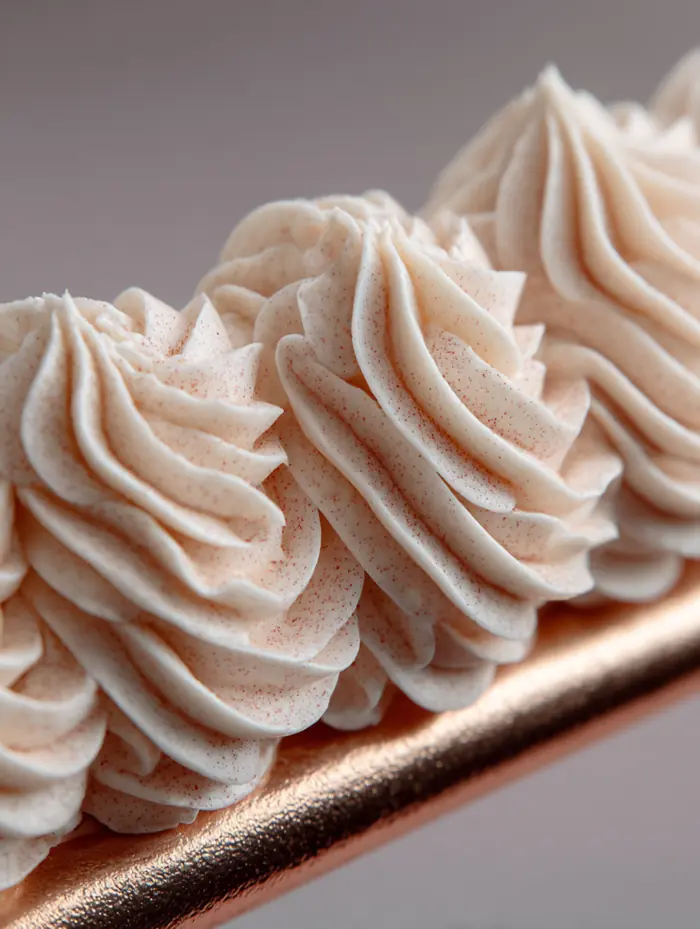
For special occasions, pipe it onto cupcakes using a star tip or swirl it generously for a bakery-style finish. It holds its shape well when chilled, making it ideal for decorative designs.
Storage Tips
Store the frosting in an airtight container in the refrigerator for up to 5 days. Before using, let it sit at room temperature for about 15–20 minutes, then rewhip to restore its creamy texture.
If you’ve already frosted a cake, keep it refrigerated due to the cream cheese content. Remove it from the fridge shortly before serving for the best flavor and texture.
You can also freeze the frosting for up to 2–3 months. Thaw it overnight in the refrigerator, then rewhip before using.
Avoid leaving the frosting at room temperature for extended periods, especially in warm environments, as it can soften too much.
FAQs
Can I make this frosting ahead of time?
Yes, it can be made several days in advance and stored in the refrigerator. Just rewhip before using.
Why is my frosting too soft?
This usually happens if the cream cheese is too warm or if the frosting is overmixed. Chill it briefly and rewhip.
Can I pipe this frosting?
Yes, it’s great for piping. For best results, chill it slightly before piping to help it hold its shape.
Disclaimer
This recipe is for informational purposes only. Results may vary depending on ingredient brands, measurements, and kitchen conditions such as temperature and humidity.

Cream Cheese Buttercream Frosting
Ingredients
Equipment
Method
- Beat butter until light and fluffy.
- Add powdered sugar in batches and mix well.
- Add cream cheese, vanilla, and lemon juice.
- Mix until smooth and avoid overmixing.
- Chill if needed before piping or spreading.
Nutrition
Notes
Tried this recipe?
Let us know how it was!Conclusion
This Cream Cheese Buttercream Frosting truly lives up to its reputation. It’s rich without being heavy, sweet without being overwhelming, and tangy enough to make every bite interesting. Whether you’re baking for a celebration or just want to elevate a simple dessert, this frosting brings everything together beautifully. Once you master it, it becomes one of those recipes you return to again and again because it simply works—every single time.